geometry dash wave level
You’ve Beaten Demons. Now, Build One.
We've all been there: scrolling through the Geometry Dash workshop, finding a level that makes you laugh, rage, or stare in awe, thinking, "How did they even make this?" For the community level explorer hunting for creative designs, that curiosity is a itch. Geometry Dash Wave Level doesn't just scratch it—it hands you the scalpel.
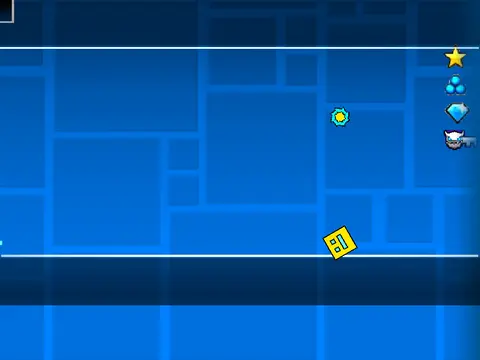
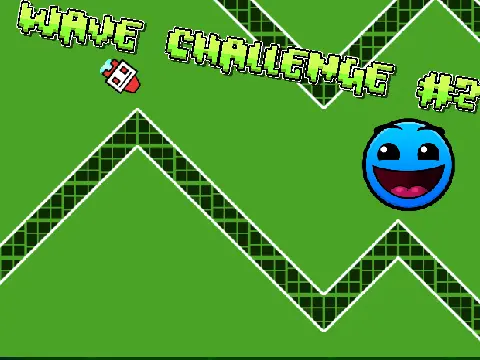
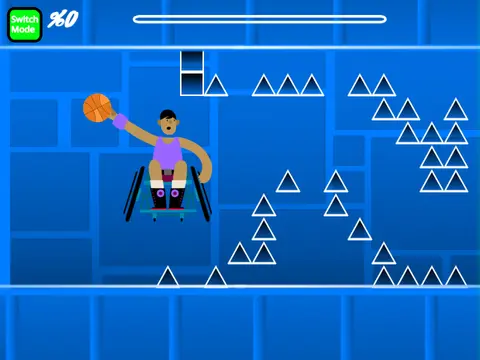
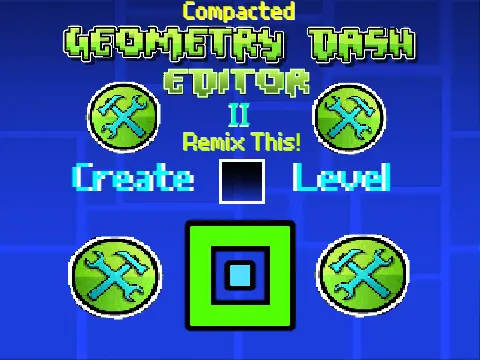
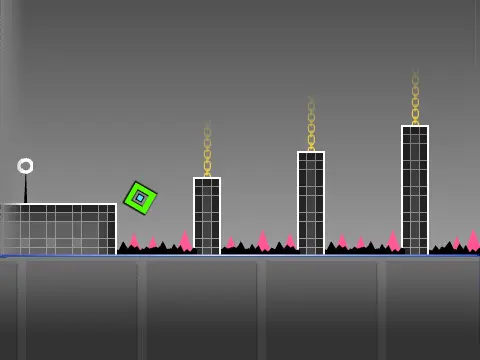
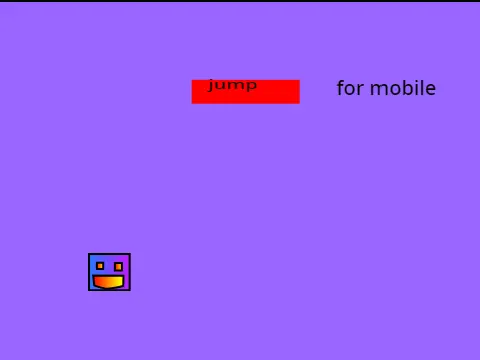
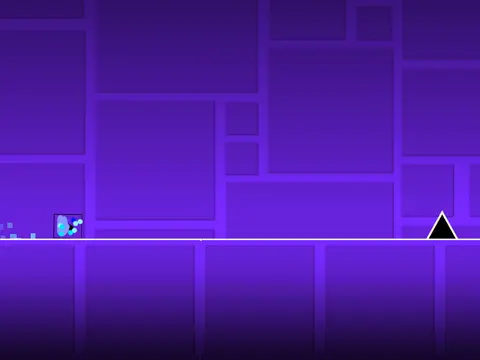
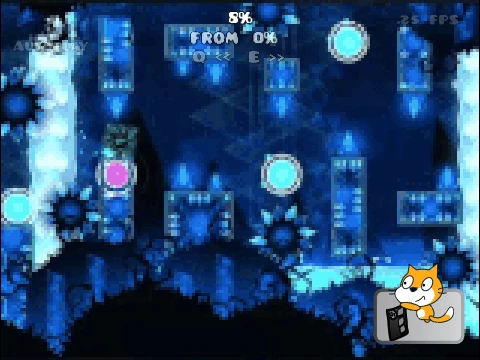
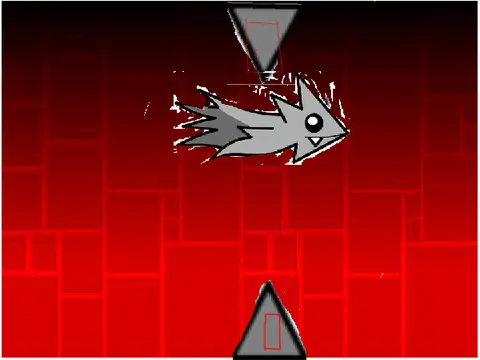
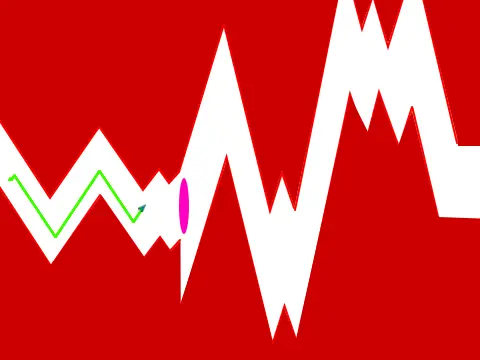
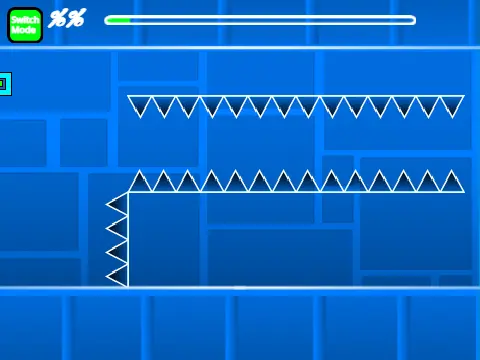
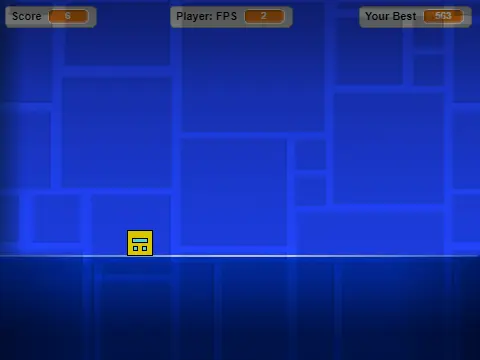
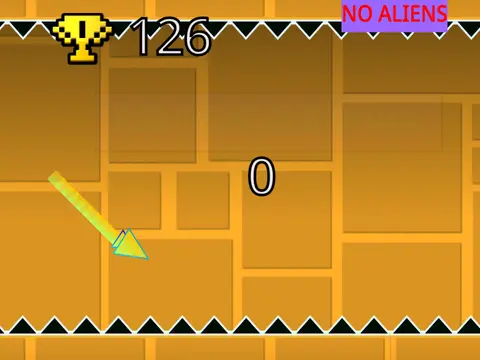
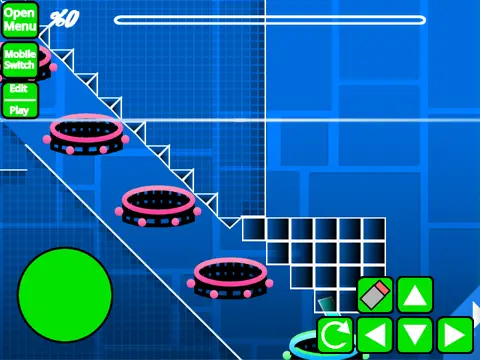
This is more than a game; it's a compact, browser-based level editor disguised as a game. The core gameplay is classic wave-mode avoidance: press UP, SPACE, or click to jump. Avoid spikes, use orbs. But the magic key combo is Z+M. Hit it, and the screen shifts. You're no longer a player; you're the architect.
Opening the editor for the first time is equal parts overwhelming possibility and sheer terror. Where do you even start?
The Midnight Creator's Sandbox
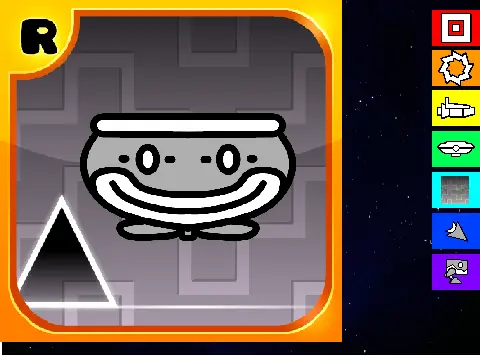
The editor controls are a delightful puzzle. WASD to move your view. Numbers 1-9 select block categories. Press the number again to cycle through blocks in that category. R+[number] goes back. It's clunky, intuitive, and deeply engaging. This is the essence of building levels late at night. It’s not about making the next extreme demon; it's about the hypnotic focus of placing one block, testing, adjusting, trying to make a simple three-jump sequence feel satisfying.
Think about the different speedrun categories in GD. Any%, 100%, All Coins. Creating a level is like designing a speedrun route in reverse. You place the obstacles, but in your mind, you're visualizing the perfect player weaving through them. You start to understand why certain patterns are fun and others are just cheap. This editor, in its simplicity, teaches that fundamental design language.
From Consumer to Creator (and Back)
This loop—play a level, get inspired, hit Z+M to edit, create something, test it, play it—is incredibly powerful. It's a microcosm of the entire GD community ecosystem. Imagine streaming this process with audience interaction. Chat could vote on the next obstacle type, creating a chaotic, collaborative level live. It turns the solitary act of creation into a performance.
Of course, with creation comes responsibility, which ties into the moderation system for community content. In this little web game, moderation is simple: your level exists on your computer until you share the project link. It's a sandbox with training wheels. It lets you experiment with "unfair" designs without polluting the main game's servers. Want to make a level that's pure, undiluted spam at modified speed? Go for it. The only person you'll frustrate is yourself.
The "click sound becoming part of the song's percussion" is a sign you're in deep. When creating, you start placing objects specifically to create that satisfying auditory feedback.
And let's talk about the physical side. Spamming clicks to test a difficult section you built can lead to strain. Preventing repetitive strain injuries is as important for creators as for players. Take breaks. Stretch those wrists. The editor will wait.
For someone dreaming of the prestige to verify an Extreme Demon for community recognition, this is baby steps. But every master verifier understands level design on an instinctual level. They know where the creator placed a spike as a visual trick versus a real threat. Building levels—even bad ones—gives you that X-ray vision.
So, dive in. Play the included levels. Then, take the plunge. Press Z+M. Place a single spike. Then place an orb before it. Test. Fail. Adjust. That loop, my friend, is where the real game begins.
Creator Secret: The manual mentions jump rings/orbs of different colors doing different things. Experiment with these in the editor! Creating a sequence that requires a well-timed pink orb (hold) followed by a yellow orb (tap) is a fantastic beginner design challenge.








Discuss geometry dash