geometry dash embers geometry dash world
Geometry Dash Embers: When Accuracy Meets Addiction
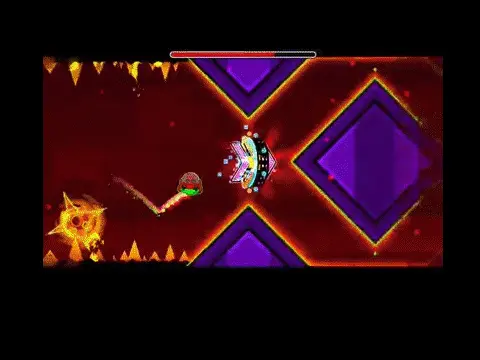
Alright, listen up. If you're a platformer veteran trying rhythm-based challenges for the first time, here's the deal: Geometry Dash Embers is what happens when someone gets obsessive about accuracy. The creator's note says it all: "I found out that no one has made a completely accurate version of Embers on scratch... so I decided to have some fun with the editor." That "fun" resulted in what might be the most precise Geometry Dash World recreation I've seen.
Remember watching your cube icon helplessly fall while you frantically tap, forgetting gravity? Yeah, that feeling doesn't go away just because you're playing a recreation. Your foot tapping the beat while your fingers fail to follow? Still happens. Holding your breath during a difficult section without realizing? Oh yeah. The moment you forget to blink for 30 seconds of intense gameplay? Welcome to Embers.
The Ball-Only Challenge
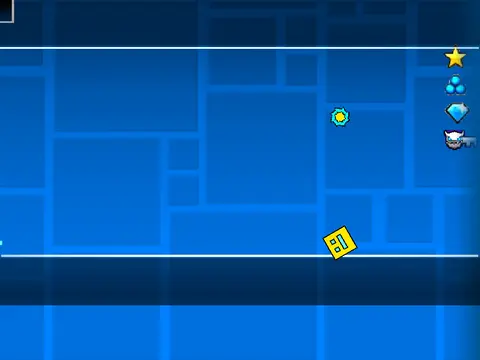
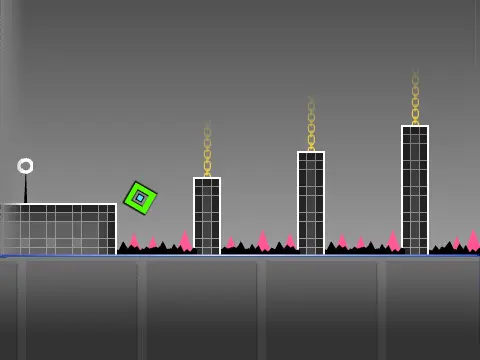
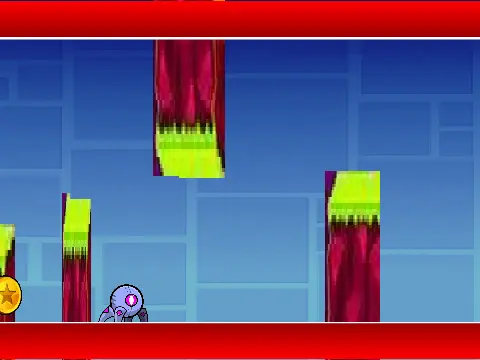
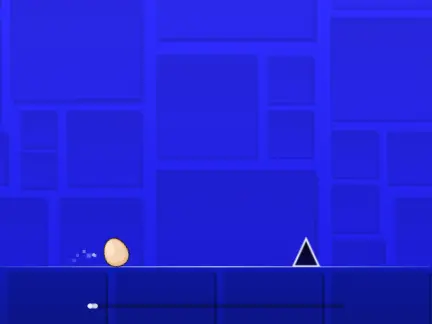
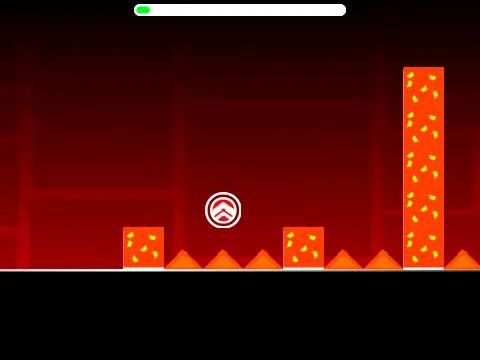
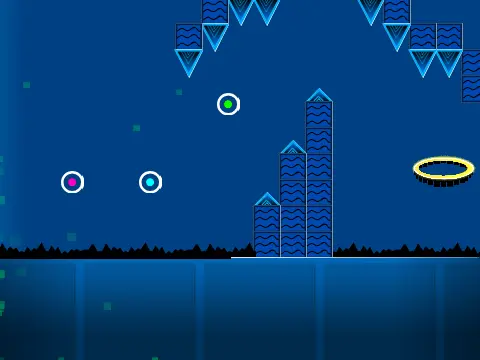
Here's the thing that makes this version special: it uses ball gameplay instead of ship gameplay. The original note mentions that "the most accurate one uses ship gameplay instead of ball" – well, this fixes that. And let me tell you, ball physics done right are a thing of beauty. Bouncy physics that actually behave as expected? In a fan recreation? Impressive.
The goal to learn to sight-read complex patterns effectively is front and center here. Embers isn't just about memorization; it's about reading the rhythm, anticipating bounces, and timing those ball impacts perfectly. And if you're crazy enough to try ignoring visual track, playing by audio only? Good luck. You'll need it.
Editor Tools That Actually Work
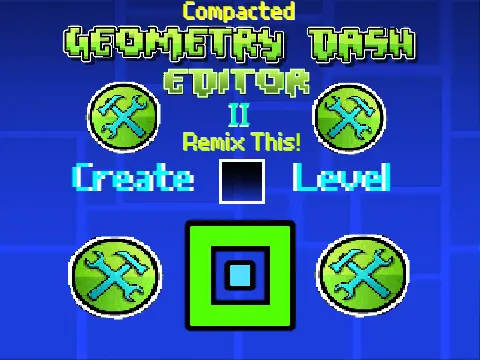
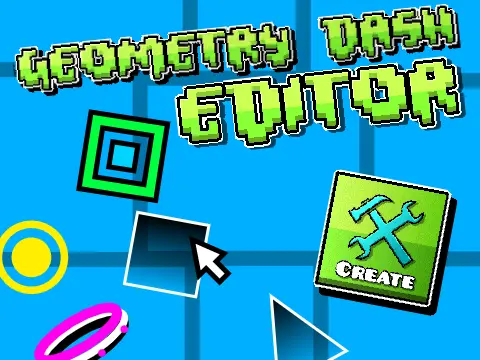
Okay, real talk time. The editor here is... comprehensive. Like, surprisingly comprehensive. We're talking:
- General Controls: Press Z and M to switch between editor and play mode
- Player Controls: Click to jump, I and O for no-clip, Z for checkpoints in practice
- Editor Controls: 1/3 for block menus, 4/5 to cycle blocks, 2 for eraser, R to rotate, E for rotation menu, F for trigger menu, B for detect menu, Z to pick block, 9 to save, 0 to load
That's not even everything. There's a trigger menu, detect menu, rotation adjustments – this is serious editor territory. As an analytical engineer breaking down exact timing, I appreciate the depth.
Performance Considerations
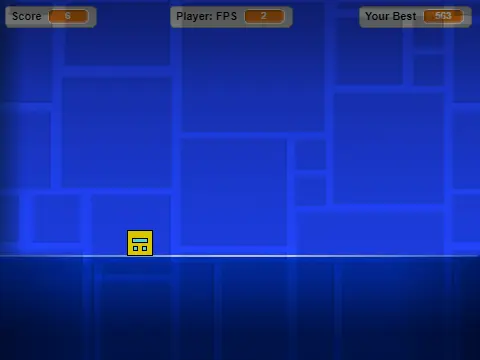
The warning in the instructions is real: "High detail+this editor=LOTS OF LAG (please play in turbowarp)". They even provide the link: https://turbowarp.org/618909210. That's thoughtful. And it speaks to the complexity of what's been built here.
How much RAM does Geometry Dash typically use during gameplay? Well, with an editor this detailed and visual effects this complex? Probably more than the average Scratch project. But that's the price of accuracy.
Version History Tells a Story
Check out the activity log:
- 2.0.4 - FIXED THE BALL! (Celebrating that @CaptainFlufBall fixed it)
- 2.0.3 - Added size trigger
- 2.0.2 - Added lazers
- 2.0.1 - Added breakable blocks
- 2.0 - Save codes, move trigger, alpha trigger, instant count trigger, keys, coins, count, colored blocks, glow, teleport portals, 3D objects, thorns, swing copter, more monsters, fade
That's... a lot of updates. And that's just the 2.0 series. The 1.0 series added all the basic gameplay elements. This is a project with history.
Answering The Tough Questions
How do user coins and secret coins work? In this editor, they work properly – with animations and everything. The Vault and how does it work? Well, this might not have the official vault, but it has save codes and level management that serve similar purposes.
What is included in Geometry Dash World? Embers is included, and this recreation captures its essence beautifully. The ball gameplay, the timing, the rhythm – it's all here.
Why This Matters
Look, as a wind-down activity before sleep, this might be too intense. But as a platformer veteran looking for a rhythm challenge? This delivers. The level editor, create tab, and build tab functionality means you're not just playing – you're participating in game preservation.
Someone recreated an official level with obsessive accuracy because they cared. Because they noticed other recreations weren't quite right. Because they wanted ball physics that actually worked. And they built an entire editor system to make it happen.
That's cool. That's community. That's why fan projects matter.
Final note for the brave: The debug menu is accessed with O and P. The settings with I and O. The trigger system is comprehensive. This isn't just a game – it's a development tool. And for the right player (you know who you are), that's exactly what makes it special.
Play it in TurboWarp as suggested. Appreciate the work that went into it. And maybe, just maybe, create something of your own with those editor tools. Because that's what this is really about: not just playing, but creating.





Discuss geometry dash