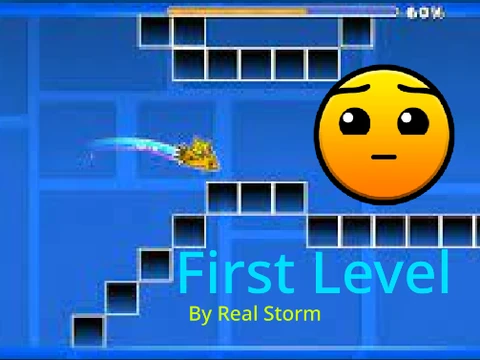
Geometry Dash First Level by Real Storm
The First Geometry Dash Level: History Meets Hard Gameplay
Your first Demon completion is a badge of honor that changes everything—but what about the very first level ever made? Geometry Dash First Level by Real Storm (ID: 128) is exactly that: a piece of history recreated in Scratch, complete with all the janky charm you'd expect from an original project. It's unrated, it's hard, and it carries that weight of being "the first."
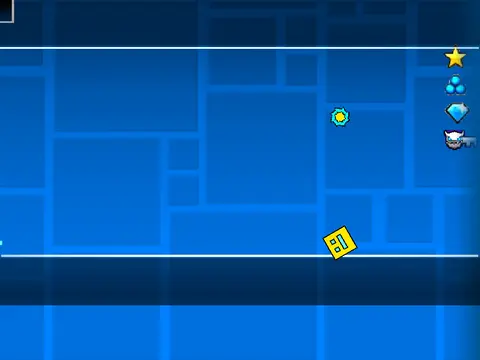
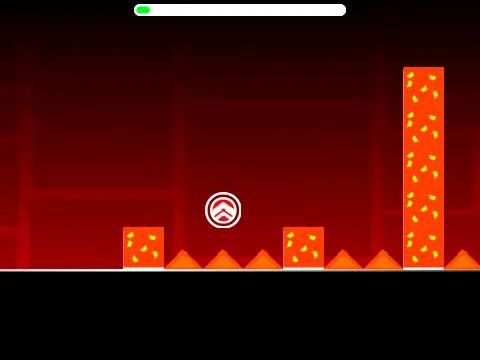
Remember the horror of discovering that pink orbs require holding, not tapping? This level will teach you that lesson the hard way. Each colored orb—those jump rings that look like circles surrounding circles—does something different. You'll die. You'll restart. You'll die again. And eventually, you'll develop that muscle memory for a specific section after 100 attempts that makes the whole thing click.
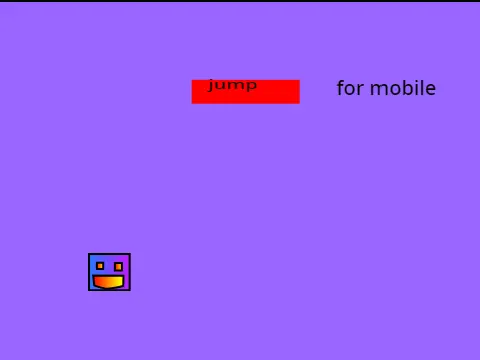
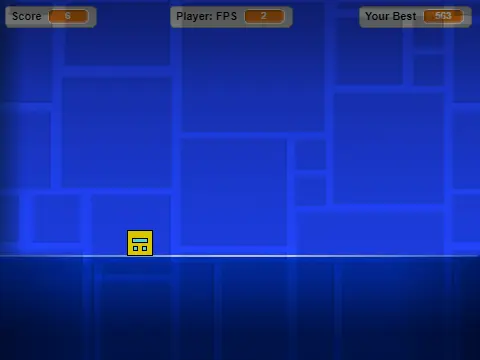
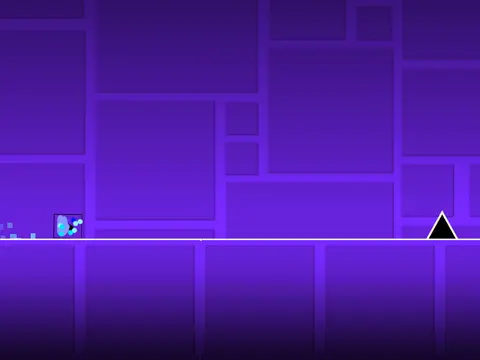
What's fascinating about this recreation is how it captures the early Geometry Dash feel. This isn't the polished 2.2 experience with swing modes and platformer physics. This is back-to-basics: press up, space, or click to jump. Avoid spikes. Use the orbs. Die. Try again. There's something pure about that simplicity, especially when you consider this was originally created by Hoppingicon and is now maintained with credits to VinnieK2008 (editor), iPhone_ATT_TWC115 (inspiration), and of course Robtop and Real Storm for the original game and level.
⚠️ Level Editor Secret:
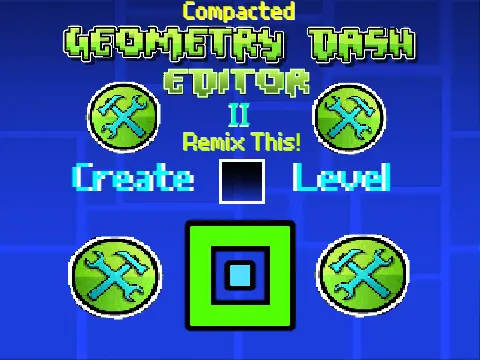
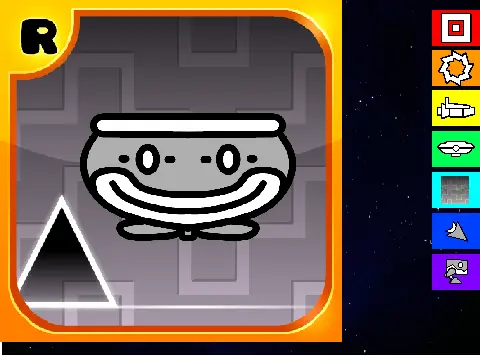
Here's something most players miss: Press [Z]+[M] simultaneously during gameplay to enter the level editor. Suddenly, you're not just playing history—you're modifying it.
- Move: WASD keys
- Block Categories: 1-9 number keys
- Cycle Blocks: Press same number repeatedly
- Go Back: [R] + category number
- Exit Editor: [Z]+[M] again
Each category has different blocks. Try them! It's like getting the original Geometry Dash editor but for the first level ever made.
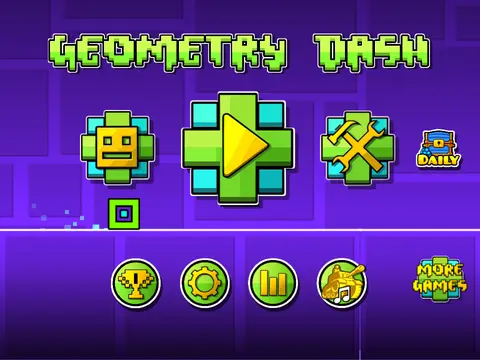
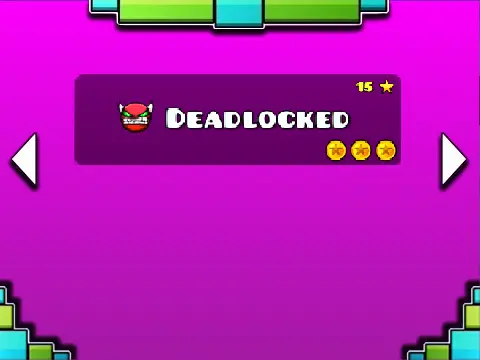
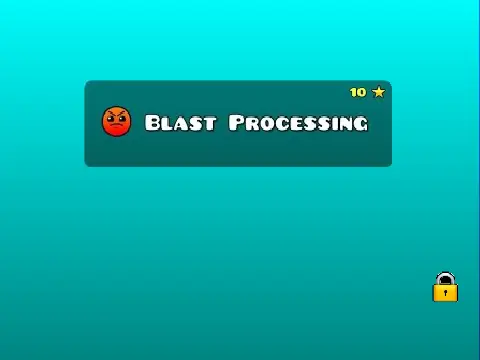
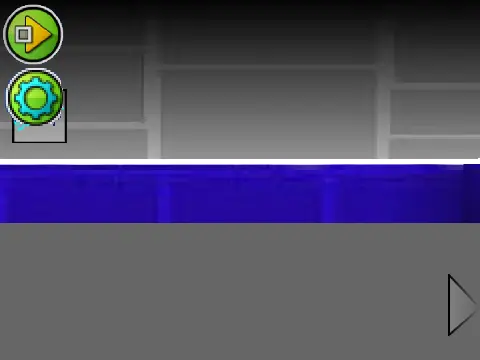
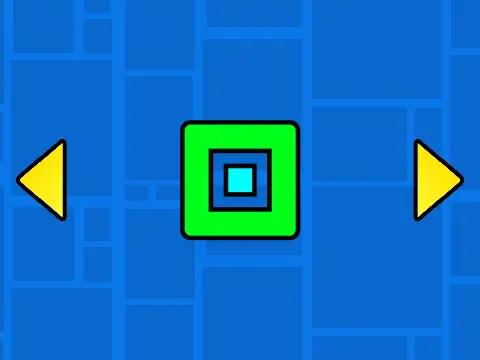
The level selection screen feels nostalgic too. Use arrow keys to pick your level (though there's basically just this one), then press space to play. It's straightforward, no fancy menus, no icon customization—just gameplay. And that pause button ([P]) will become your best friend when you need to take a breath after dying at the same spot for the twentieth time.
This experience is perfect if you're a historian documenting GD's evolution and culture. You're literally playing a piece of that history. If you're during a focused marathon session aiming for a specific clear, this level will test your patience in ways modern demons don't. And if your primary goal is to understand level design principles through analysis, well, studying the first level ever made is about as foundational as it gets.
The challenge here isn't just about difficulty—it's about playing legacy levels from earlier GD versions and appreciating how far the game has come. It's about attempting to sight-read level perfectly first try when you have no idea what the original creator was thinking. And honestly, there's a special kind of frustration in frustrated by levels perceived as unfair when that level is literally the first attempt at the genre.
Common questions this level raises: What is the average playtime to complete all main levels? For this specific recreation? Could be minutes, could be hours—it's unrated and hard. What are "orbs" and how do they work? This level is a masterclass in early orb mechanics, with each color doing something specific that you'll need to learn through trial and error.
The community aspect here is interesting. The description links back to the original Scratch project (https://scratch.mit.edu/projects/197735985/), creating this chain of creativity and preservation. It's not just a level—it's a historical document being kept alive by multiple creators across platforms. That's pretty cool when you think about it.
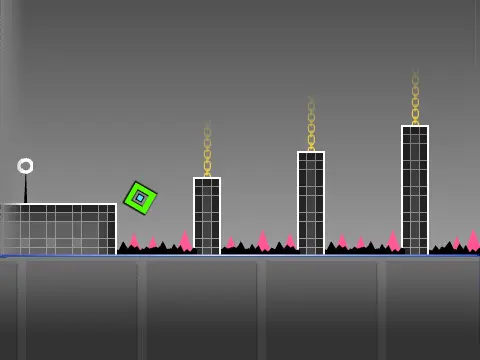
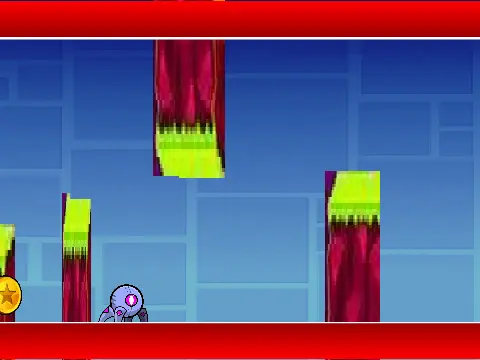
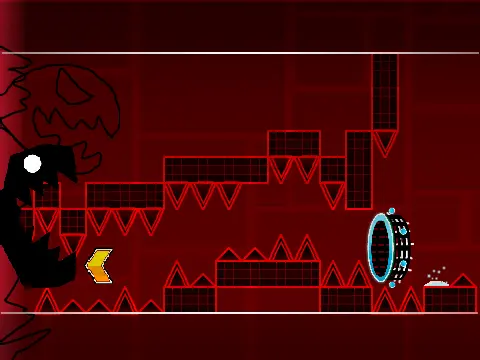
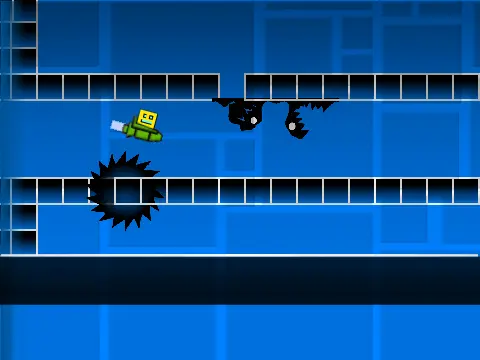
Gameplay-wise, you'll notice the absence of many modern features. No ship game mode, no wave dash mechanics, no gravity portals. This is cube-only platforming at its most basic. The spike collision feels different, the jump physics have that early-game jank, and the level length is... well, it feels longer than it probably is because you'll die so much.
If you're coming from modern Geometry Dash with all its texture packs and FPS bypass tools, this will feel like playing on a low-end hardware player making do with performance limitations. But that's the point. This isn't about optimization or world records—it's about experiencing where it all began.
Final thought: Playing First Level by Real Storm is like visiting a museum where you're allowed to touch the exhibits. You can play the original level, you can modify it with the editor, you can die a hundred times trying to understand its design. It's history made interactive. Just don't expect it to hold your hand—this is Geometry Dash in its raw, unforgiving, first-draft form. And sometimes, that's exactly what you need to remember why you fell in love with the game in the first place.










Discuss geometry dash